


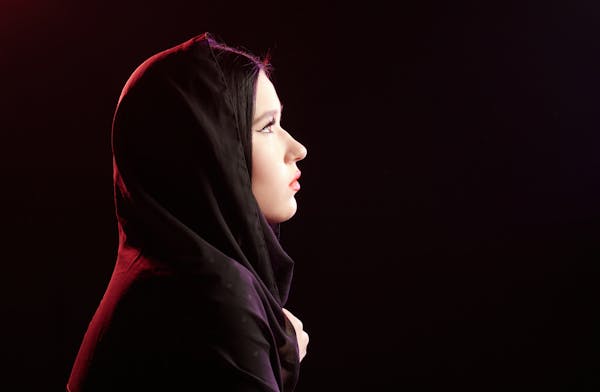
Muslim clothing is more than just a reflection of personal style—it’s a powerful symbol of culture, identity, and faith. The attire worn by Muslim men and women carries deep-rooted significance, with every piece reflecting an intricate blend of religious values, cultural traditions, and individual expression. From modest dresses to headscarves, and from the classic thobe to modern adaptations, Muslim clothing transcends mere fashion, showcasing an intrinsic connection to faith and heritage. In this exploration, we will delve into how Muslim clothing reflects both culture and faith, with an emphasis on the must-have accessories for Muslim clothing that complete the look.
Modesty as the Core Value of Muslim Clothing
At the heart of Muslim clothing lies the concept of modesty. In Islam, modest dress is seen as an outward expression of inner piety and respect for both oneself and others. The Quran and Hadith, which contain teachings and sayings of Prophet Muhammad (PBUH), emphasize the importance of dressing modestly. This is reflected in the clothing choices of Muslim men and women, which are designed to cover the body appropriately, ensuring that they embody humility and decency.
This sense of modesty is not just confined to religious observance but is deeply ingrained in cultural practices. In different parts of the world, modest clothing may take various forms, but the core principle remains the same: clothing should cover the awrah (the parts of the body that should be covered according to Islamic teachings). The long, flowing dresses for women, the loose-fitting trousers and shirts for men, and even the simple yet dignified head coverings all serve to maintain the values of modesty while allowing the individual to engage with the world confidently and respectfully.
Cultural Diversity Reflected in Muslim Clothing
Muslim clothing is not monolithic; it varies across regions, cultures, and even personal preferences. From the Middle East to South Asia, North Africa to Southeast Asia, Muslim attire takes on many forms, reflecting the diverse cultures of the Muslim world. Despite these differences, there is a shared focus on modesty and simplicity.
In many parts of the Arab world, the thobe or dishdasha is a popular choice among men. This long, loose garment is often paired with a kufi or other types of head coverings, which are seen as a reflection of Islamic identity. In contrast, in South Asia, the shalwar kameez is widely worn, a loose-fitting tunic paired with equally loose pants, offering both comfort and cultural significance.
For women, the variety is even more expansive. While many Muslim women around the world wear the abaya or niqab as part of their modest wardrobe, others may choose different forms of attire like the hijab, chador, or even the burqa. Each of these garments serves as a reflection of personal choice, culture, and the level of modesty the wearer prefers, all while adhering to the broader Islamic principles of modest dress.
The Role of Accessories in Muslim Fashion
While the core clothing items form the foundation of Muslim fashion, it’s the accessories for Muslim clothing that often elevate the overall look. Essential accessories for Muslim wardrobe not only add style but also reflect the wearer’s faith and culture in meaningful ways.
One of the most iconic top accessories for Muslim fashion is the hijab. For many Muslim women, the hijab is not just a head covering but a powerful statement of faith, marking their commitment to the values of modesty. The hijab comes in various styles, colors, and fabrics, allowing for personal expression while remaining true to religious teachings. From simple cotton scarves to elaborately decorated pieces, the hijab has evolved into a global fashion statement while maintaining its cultural and religious significance.
For men, accessories like the kufi or turban are not only symbolic of their faith but are also central to their identity. A kufi, a small, rounded cap, is a popular headpiece worn by Muslim men around the world, especially during prayers. The turban, often seen in South Asia, adds an additional layer of cultural richness and historical significance. Both accessories are more than just items of clothing—they signify connection to tradition and pride in one’s cultural heritage.
In addition to headwear, muslim clothing accessories to own also include items like prayer beads (misbaha), watches, and belts. These pieces often carry symbolic meanings or serve practical functions. Prayer beads are used for counting recitations of prayers, while watches and belts provide utility without compromising modesty. These accessories help men and women stay connected to their faith while expressing their personal style.
The Modern Evolution of Muslim Clothing
As the Muslim world continues to evolve, so does its fashion. The modern Muslim clothing industry has seen a tremendous shift, with designers incorporating contemporary styles and international trends into traditional garments. Muslim clothing has become more diverse, with fashion-conscious individuals embracing garments that reflect both cultural heritage and modern sensibilities. Many contemporary Muslim designers are now creating collections that combine modesty with trendy cuts, materials, and colors, making modest fashion a global movement.
Despite this modern influence, the fundamental values that underpin Muslim clothing remain unchanged. The clothing still carries the same messages of modesty, respect, and adherence to faith. Whether worn in everyday life or during special occasions, the attire remains a powerful expression of Islamic identity and cultural pride.
Conclusion
Muslim clothing is far more than just a way to dress; it’s a deeply rooted reflection of culture, faith, and values. The garments worn by Muslim men and women serve as expressions of modesty, while also embracing the richness of diverse traditions and contemporary style. Whether it’s the timeless must-have accessories for Muslim clothing like the hijab or kufi, or the more modern adaptations seen in today’s fashion scene, Muslim clothing continues to evolve while staying firmly grounded in its cultural and religious significance.
When selecting your attire, understanding the historical and spiritual significance of each garment and accessory allows you to not only choose perfect Muslim clothing but also embrace a wardrobe that connects you to your faith and heritage. With the right mix of tradition and innovation, Muslim fashion will continue to reflect the beauty of culture and faith for generations to come.


